
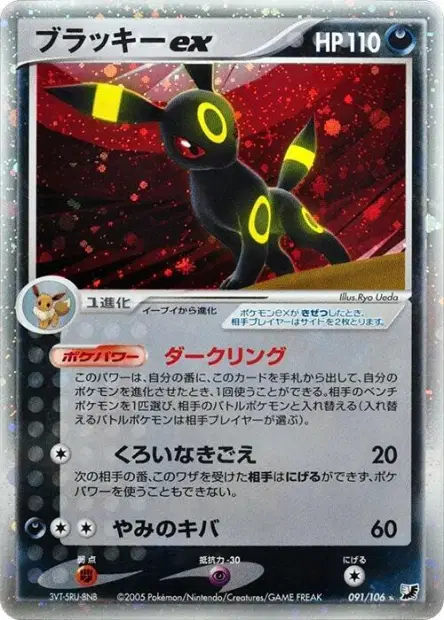
Vintage Japanese Pokémon cards.
New arrivals, live dates and subscriber-only giveaways, before everyone else. 2 emails a month, max.
 Instagram

 Live · shop

 Cardmarket
Next live shows Paris time
- Next date announced by newsletter and on Instagram.
Vintage Japanese cards, in short
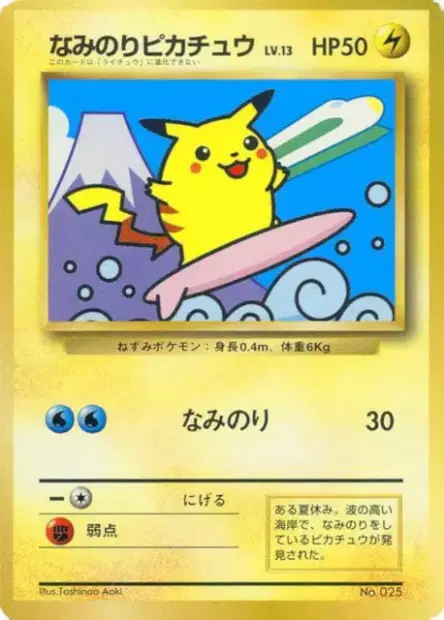 Often cheaper than Western prints
For the same condition, a vintage Japanese card often costs much less than its English or French version.
- Better print quality
Brighter colours, crisper holo, cutting and centering often more precise: Japanese editions are known for their finish.
- Exclusive promos
Events, films, PokéPark, Game Boy games: many promos were never released outside Japan.
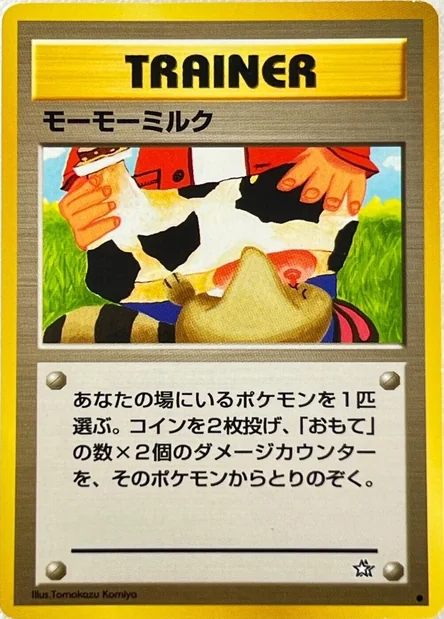 The originals, sometimes banned
Cards come out in Japan first, and some original artworks never left the country: the Moo-Moo Milk trainer, for example, was redrawn for its release outside Japan.
- International value
Listed on PSA, Cardmarket and eBay, sought after by collectors all over the world: a value recognised everywhere.
Vintage Japanese card types
Series, rarities and promos, from oldest to newest: tap a card to learn more.
Collector's glossary
Condition, flaws, protection and live-show words: tap a word to learn more.
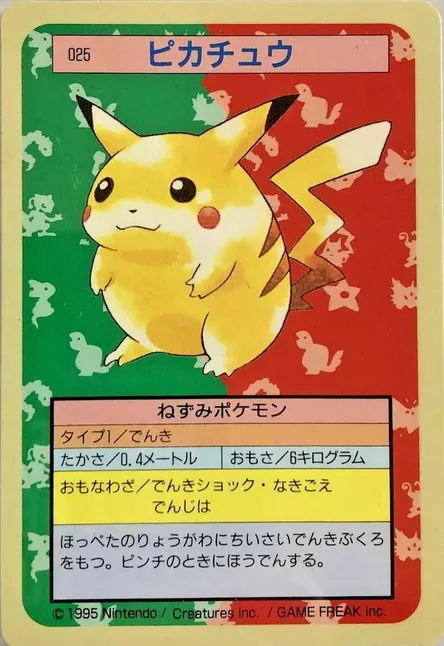
Topsun
Published by Top Seika in 1995, before the Pokémon card game came out (1996), Topsun cards came with chewing gum, like this Pikachu 025. They exist in normal and shiny prism versions, with different coloured backs and variants with or without numbers.
Good to know They are among the very first Pokémon cards ever printed.
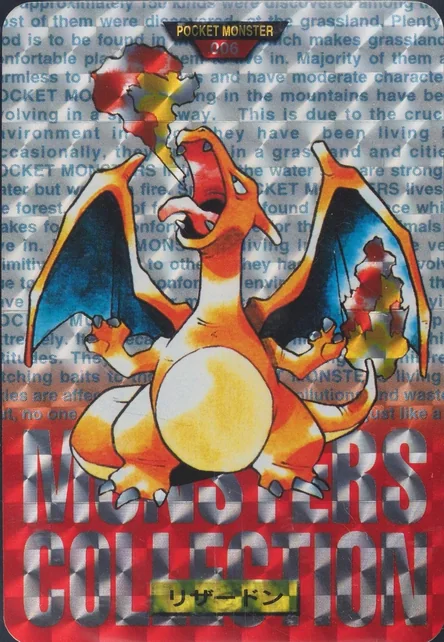
Carddass (Bandai)
Sold in Bandai vending machines in the 1990s, Pokémon Carddass are not part of the official card game: they are collectible cards, sometimes in a holographic “prism” version, like this Charizard.
Good to know The “prisms” are the most sought after.
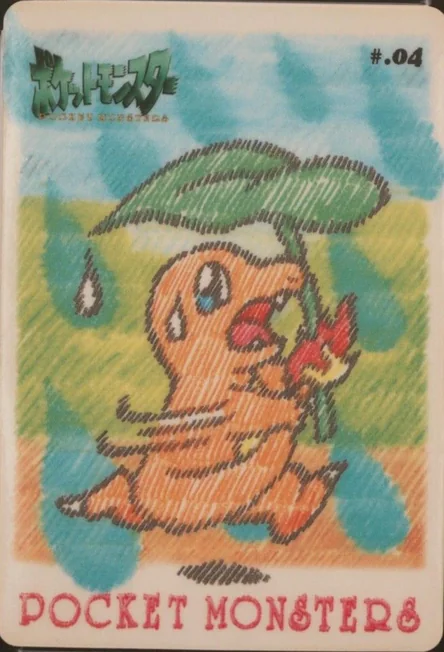
Sealdass (Bandai)
Sealdass are Bandai collectible stickers, sold in vending machines like Carddass in the 1990s. Original, numbered artwork, like this pencil-style Charmander (no. 04).
Good to know They are stickers: a peeled or damaged back greatly lowers their value.
Team Rocket
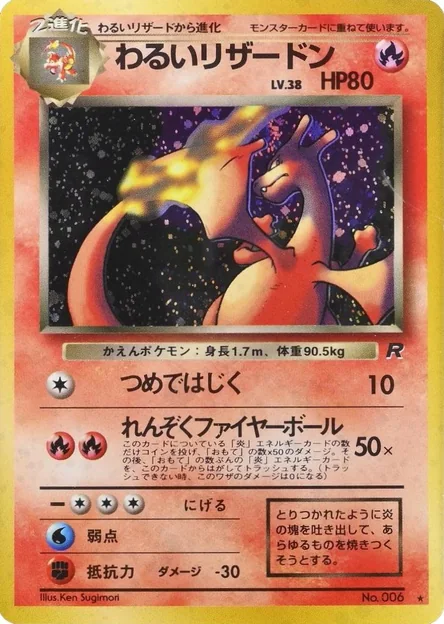
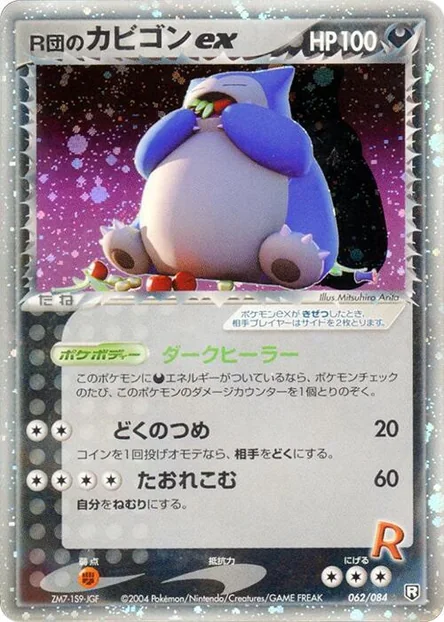
The Team Rocket set (1997) features Team Rocket’s menacing “Dark” Pokémon, like this Dark Charizard. The R symbol sits at the right of the height/weight line. Team Rocket came back in the ex era, with Snorlax ex.
Good to know “Dark” is part of the name: a Dark Charizard is not a regular Charizard.
Trainer's Pokémon (Gym)
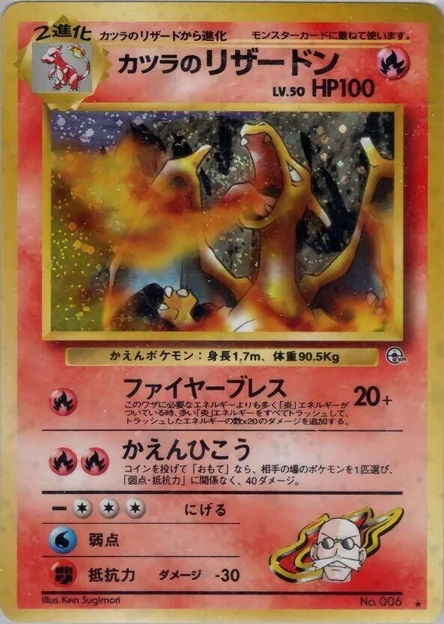
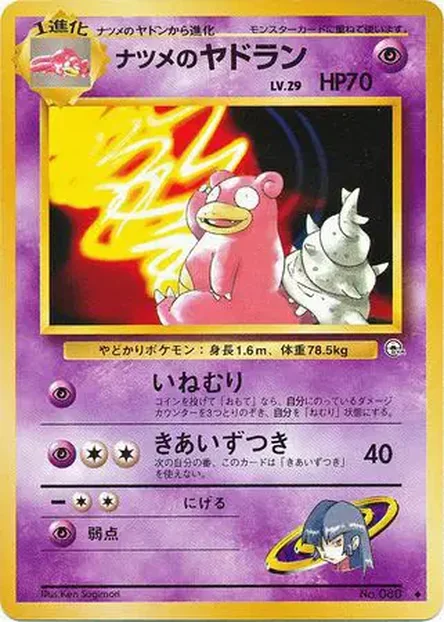
In the Gym series, Pokémon belong to Gym Leaders, whose portrait appears on the card, like this Blaine's Charizard or this Sabrina's Slowbro (Challenge from the Darkness). One of the best-loved series of the Old Back era.
Good to know The trainer’s name is part of the card name: “Blaine's Charizard” is not a regular Charizard.
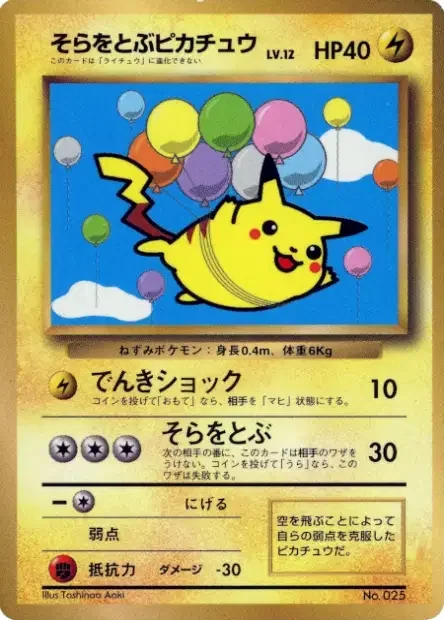
Unnumbered promos (UNP)
The first Japanese promos from the Old Back era have no set number: they are called “UNP” (Unnumbered Promos). Many have unique artwork, like this Flying Pikachu carried by balloons.
Good to know With no number, they are identified by their artwork and symbol.
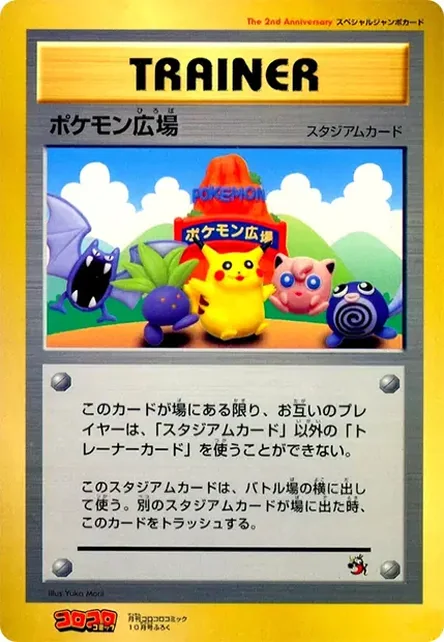
Jumbo cards
Jumbo cards reproduce the game’s card design in a very large format. This one, “Pokémon Square”, came with CoroCoro Comic for the card game’s 2nd anniversary.
Good to know Their size makes them fragile: corners and edges wear quickly.
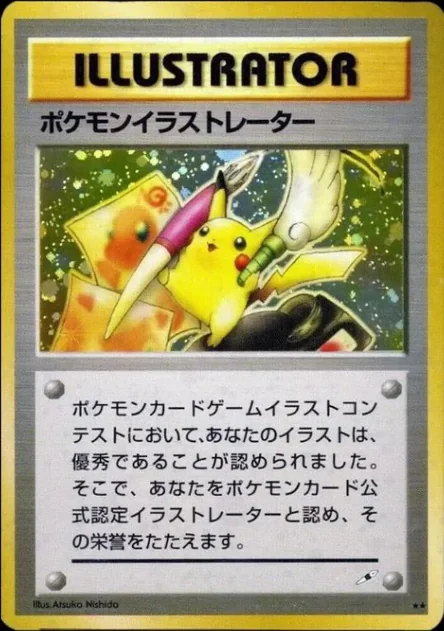
Pikachu Illustrator
Awarded in 1998 to the winners of illustration contests run with CoroCoro Comic magazine, Pikachu Illustrator says “Illustrator” instead of “Trainer”. Only around forty copies exist.
Good to know It is one of the most expensive Pokémon cards in the world: one surfaces only every few years.
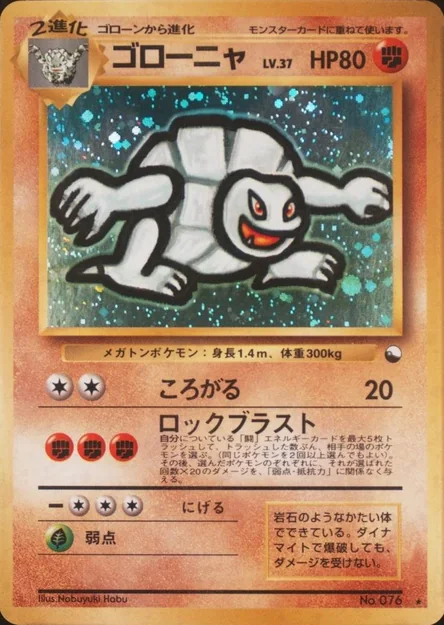
Masaki promos
The “Masaki” cards are five extremely rare promos released in Japan in 1998-1999 during the Communication Evolution Campaign, like this holo Golem.
Good to know Only five cards, printed in very small numbers: one of the hardest promo sets to complete.
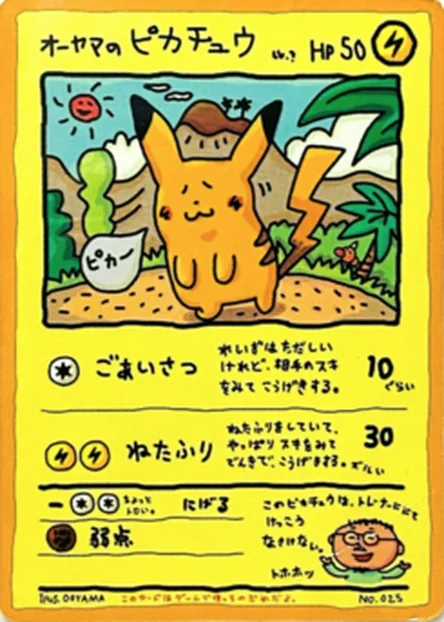
Vending
Vending cards were sold in vending machines, in sheets of 3 cards to tear apart, with no rarity symbol. They feature original artwork, like this Pikachu drawn by Ooyama.
Good to know A sheet still in one piece is often worth more than the separate cards.
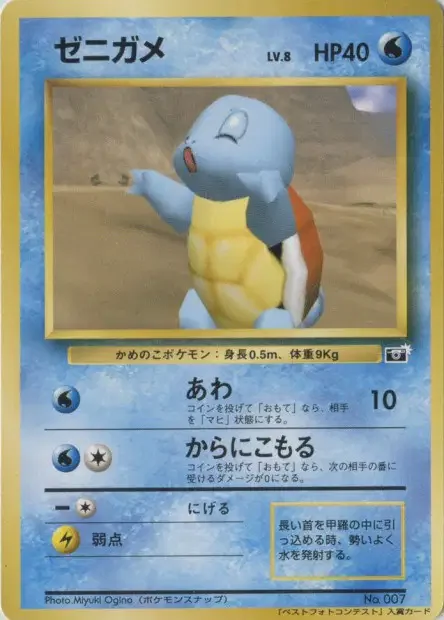
Pokémon Snap promos
In 1999, a photo contest around the Pokémon Snap game (Nintendo 64) turned the best players’ photos into cards, like this Squirtle: the photographer’s name is printed in the bottom left corner.
Good to know The artwork is a real in-game shot: that is what makes them unique.
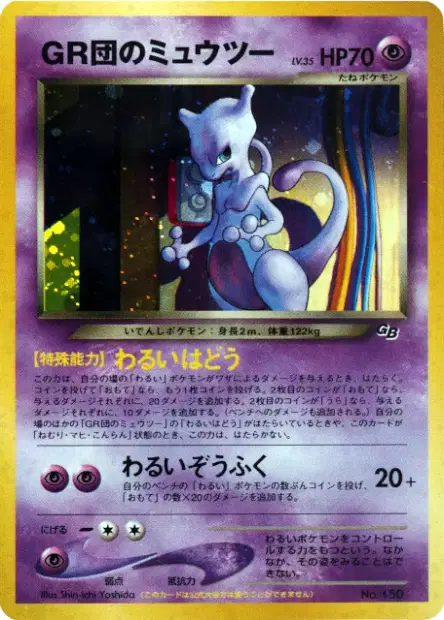
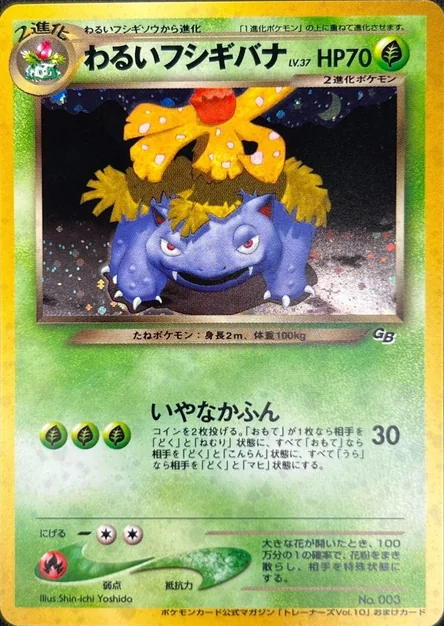
GB promos
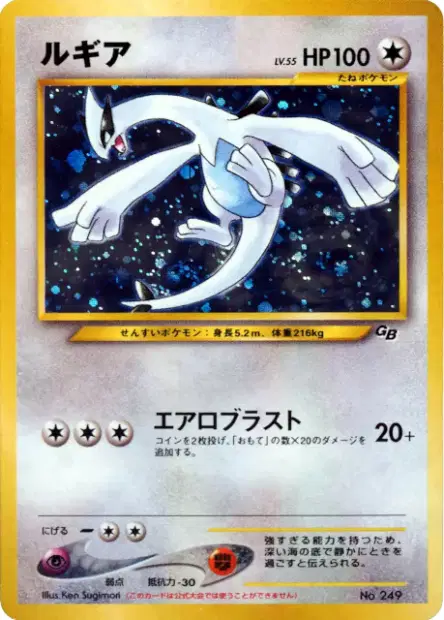
The “GB” symbol marks promos tied to the Pokémon Card GB video game: given away with the game, magazines (like this Dark Venusaur from Trainers magazine) or events. Lugia and Mewtwo are part of it too.
Good to know The magazine or campaign is often printed at the bottom of the card.
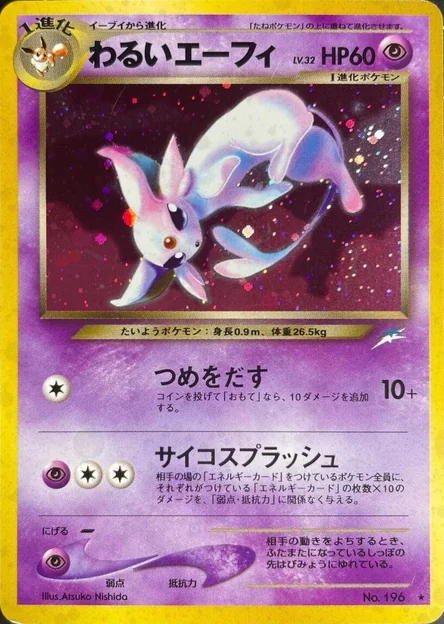
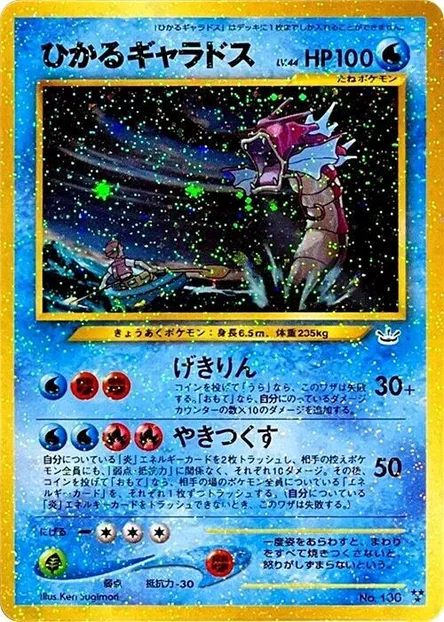
Neo series
The Neo series (2000-2001) brought 2nd-generation Pokémon, Shining Pokémon and, in the last set, Dark Pokémon like this Dark Espeon. The last great era before the card back changed.
Good to know Neo cards still have the Old Back.
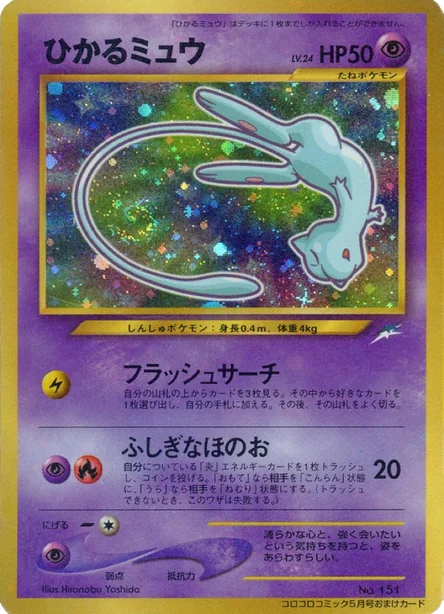
Shining Pokémon
Shining Pokémon from the Neo era come in unusual colours, like this red Gyarados. Glitter holo across the whole artwork, and only one copy allowed per deck.
Good to know The CoroCoro Shining Mew belongs to the same family.
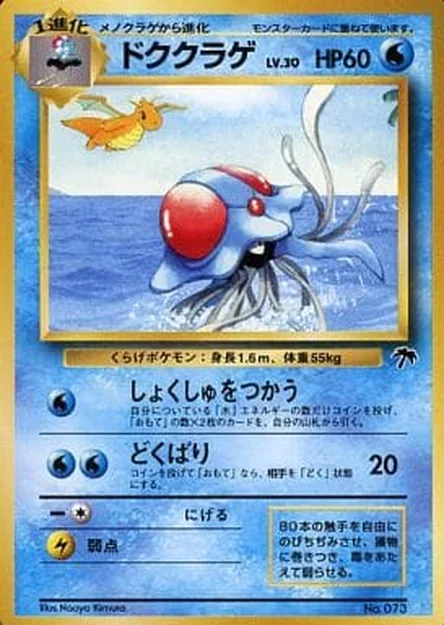
Southern Islands
Released in 2001, the Southern Islands collection shows Pokémon in tropical landscapes, with a palm-tree symbol at the right of the height/weight line, like this Tentacruel.
Good to know The artworks echo one another from card to card: the full set forms a whole.
CoroCoro
Japanese magazine CoroCoro Comic packed many promos into its issues, like this Shining Mew from a May issue: the mention is printed at the bottom of the card. Tied to a single issue, they sold out fast.
Good to know The magazine issue printed at the bottom of the card gives them away.
e-Series (e-Card)
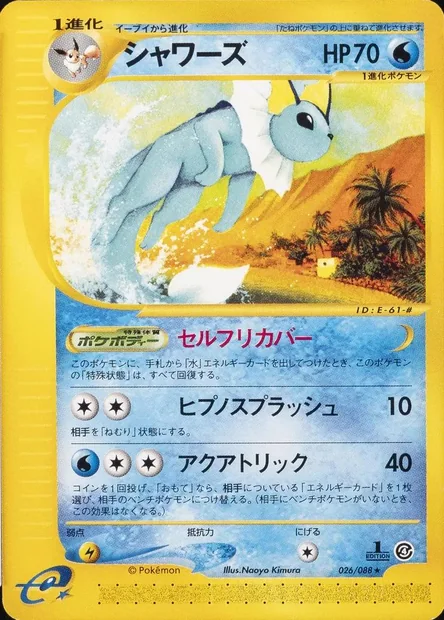
Released in Japan in 2001-2002, the e-Series is recognisable by the dot-code strip at the bottom of the card, read by the e-Reader, a Game Boy Advance accessory, and by the small “e” in the bottom left corner. Many exist in 1st Edition, like this Vaporeon.
Good to know You can spot an e-Series card by its dot strip, even without an e-Reader.
VS series
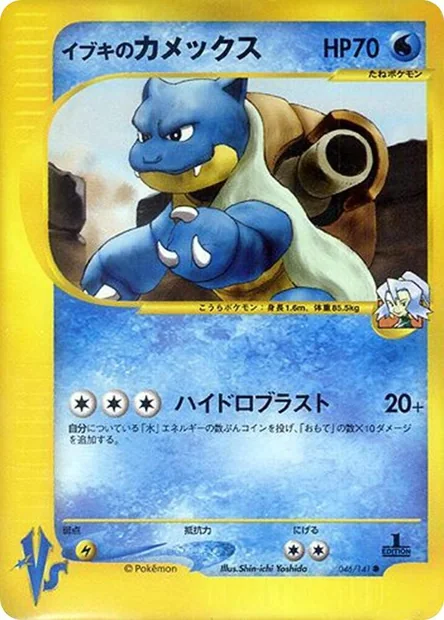
The VS series (2001) features trainers' Pokémon, with their portrait on the card, like this Clair's Blastoise. Same format as the e-Series, often 1st Edition.
Good to know The “VS” logo in the bottom left corner gives it away.
web series
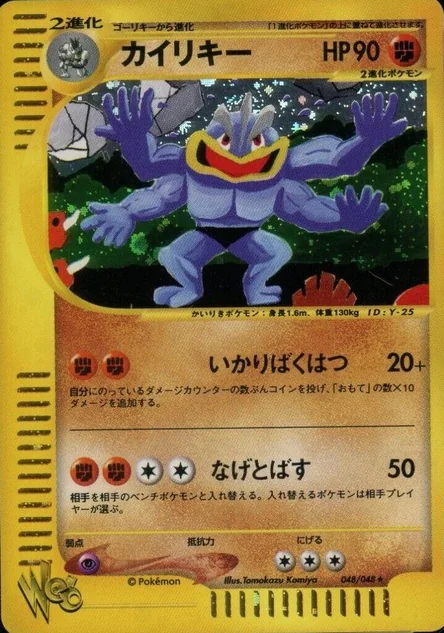
The web series (2001) uses the e-Series format, with its dot strip, and carries the “web” logo in the bottom left corner, like this Machamp. Small print run, limited distribution.
Good to know Rarer than the e-Series: it seldom comes up in my shows.
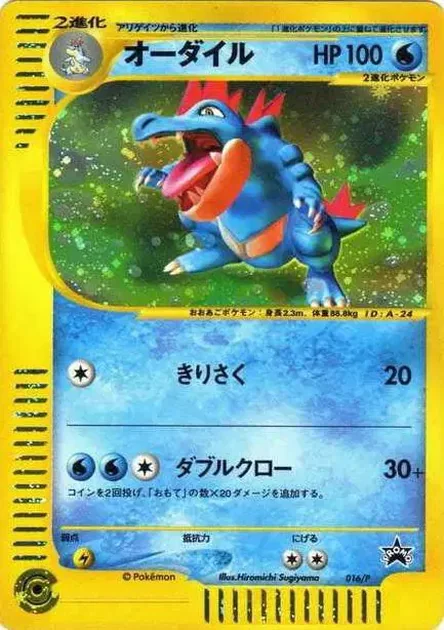
Promo (/P)
Promos are given away outside booster packs: events, magazines, shops… From the e-Series on, they carry a PROMO symbol and a number followed by “/P”, like this Feraligatr 016/P.
Good to know The PROMO symbol in the bottom right corner replaces the rarity symbol.
McDonald's
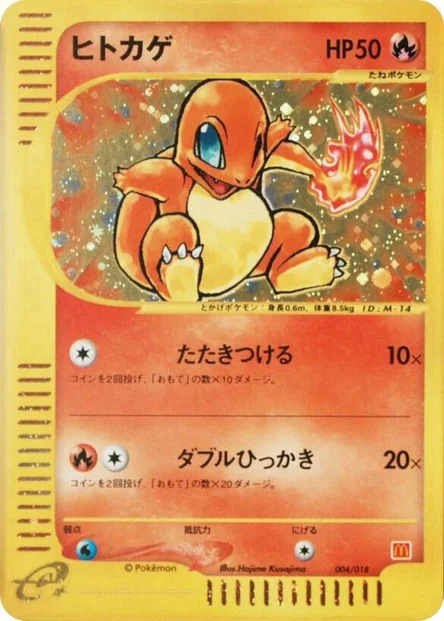
McDonald's Japan regularly gave away Pokémon cards with its kids' meals, in small sets specific to each campaign, like this Charmander 004/018 in the e-Series format, with the small McDonald's logo on the right.
Good to know A complete set is often worth more than the separate cards.
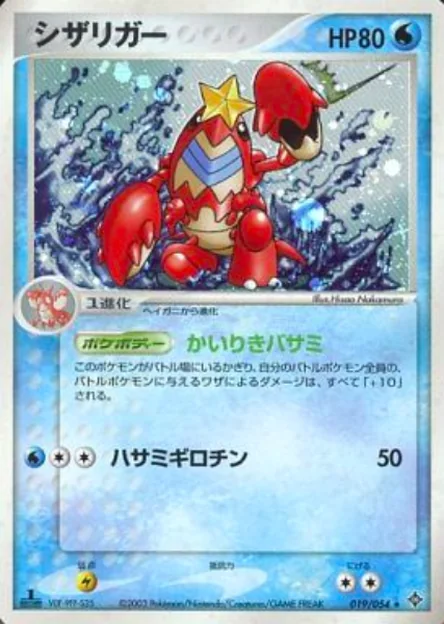
ex block (ADV · PCG)
The ADV (2003-2004) and PCG (2004-2007) series form the ex block: Pokémon-ex, Gold Stars, δ Delta Species, Team Rocket’s Pokémon… Many cards from these series exist in 1st Edition, like this Crawdaunt (mark in the bottom left corner).
Good to know The ex block is the most sought-after era of vintage Japanese cards, along with Old Back.
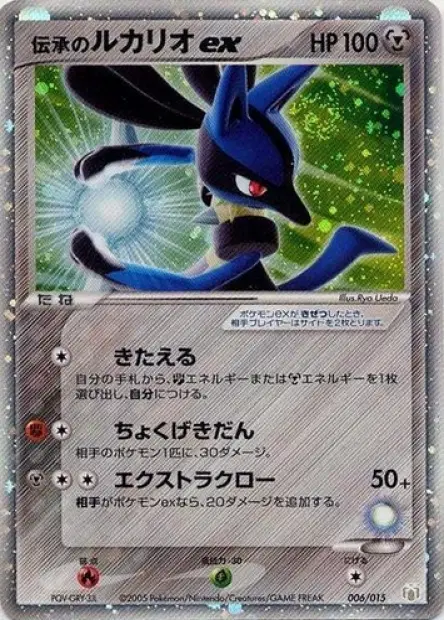
Pokémon-ex
Introduced in 2003, Pokémon-ex are stronger than other Pokémon, but your opponent takes 2 Prize cards when they are Knocked Out. Holo across the whole card, like this Team Rocket’s Snorlax ex (2004).
Good to know Not to be confused with uppercase Pokémon-EX (2012-2016): a different era, a different market.
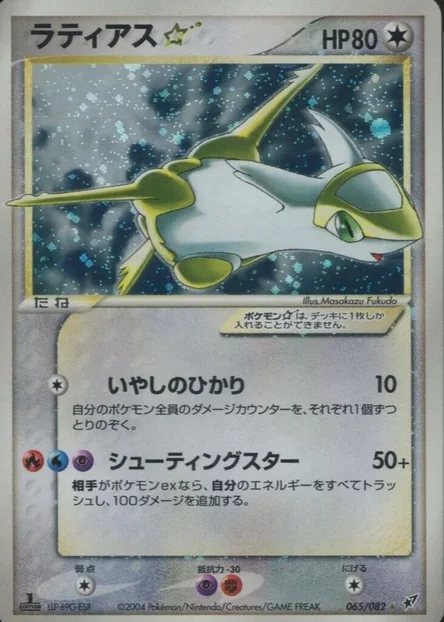
Gold Star ☆
A small gold star next to the name, as on this 2004 Latias: Gold Stars were released in very small numbers between 2004 and 2007. They are among the most sought-after cards of the ex era, even more so in Japanese and in great condition.
Good to know They rarely come up: sign up to the newsletter to hear when I have one.
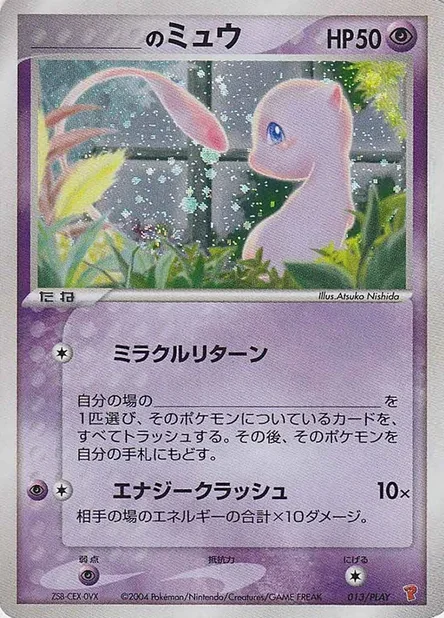
Play Promo
Through the “Pokémon Card Game Players” programme, Japanese players earned points at tournaments and exchanged them for exclusive promos numbered “/PLAY”. They were not sold in shops.
Good to know On this Mew 013/PLAY, the name is left blank: you wrote your own name in it.
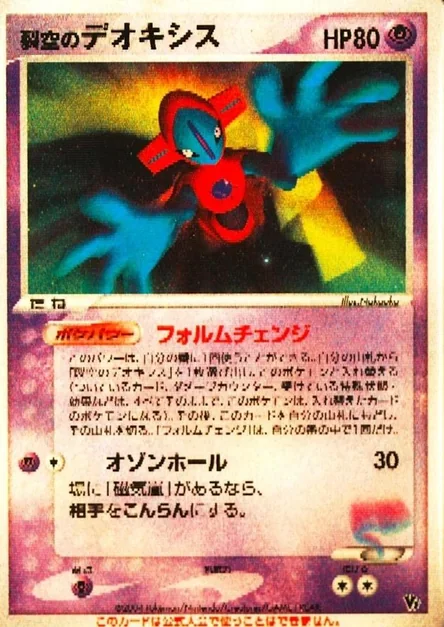
Movie promos
Each Pokémon film came with promo cards handed out in cinemas, sometimes lenticular: the image changes with the angle, as on this Deoxys.
Good to know Lenticular cards scratch easily: keep them in a sleeve.
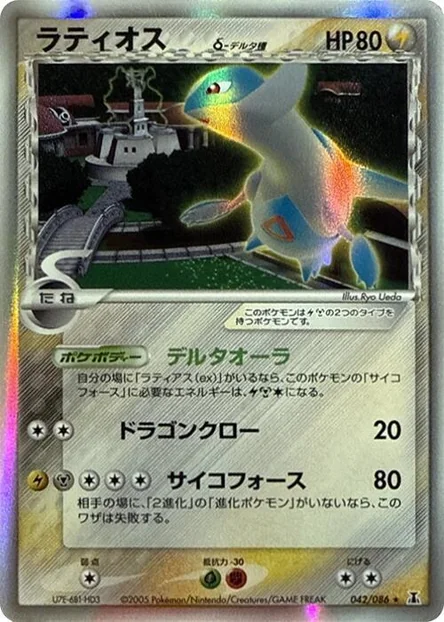
δ Delta Species
Delta Species Pokémon (2005-2006) have an unusual type, shown by the δ symbol next to the name: this Latios is Lightning and Metal instead of Psychic.
Good to know The δ symbol follows the name, just above the artwork.
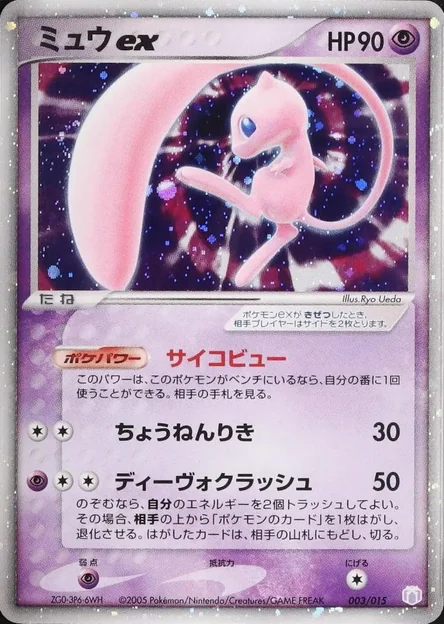
Gift Box
Some cards only came in gift boxes or special decks, numbered out of a small total, like this 2005 Mew ex 003/015.
Good to know A small total in the number (003/015) often gives away a gift-box card.
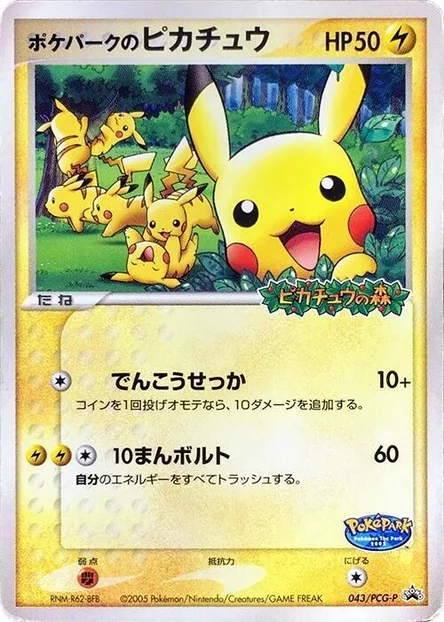
PokéPark
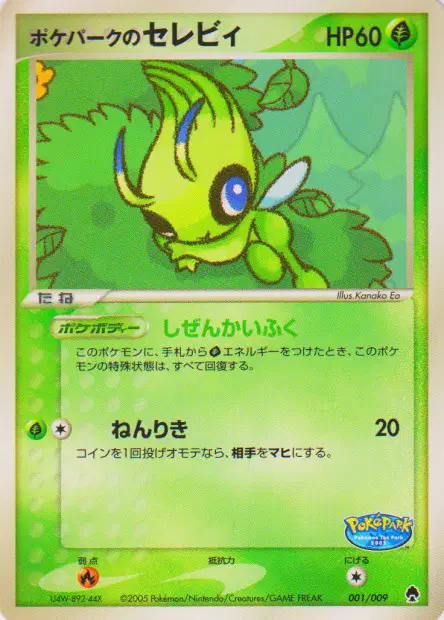
In 2005, a temporary Pokémon theme park opened in Nagoya, then in Taiwan in 2006. Promos were offered there, like this Pikachu 043/PCG-P or Celebi 001/009, with the PokéPark logo at the bottom of the card.
Good to know The small PokéPark logo in the bottom right corner gives them away at a glance.
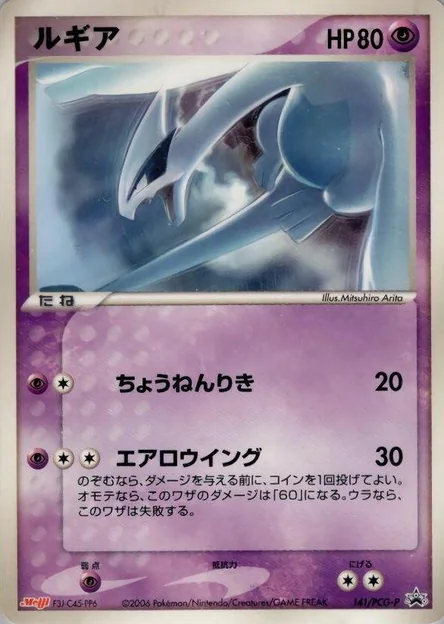
Meiji
Japanese confectioner Meiji gave away card-game promos with its chocolates, like this 2006 Lugia 141/PCG-P: the Meiji logo is printed in the bottom left corner.
Good to know A complete set often sells better than single cards.
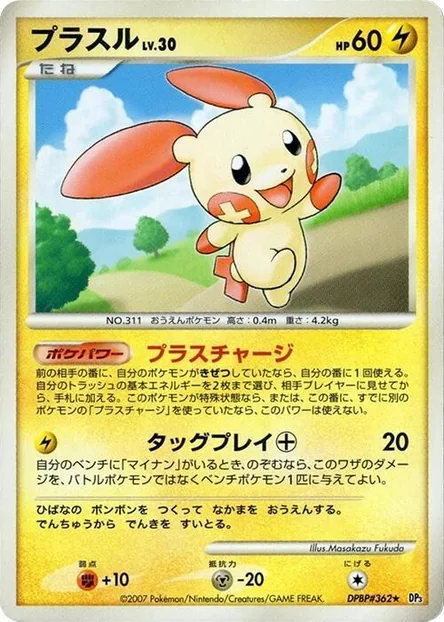
Diamond & Pearl (DP)
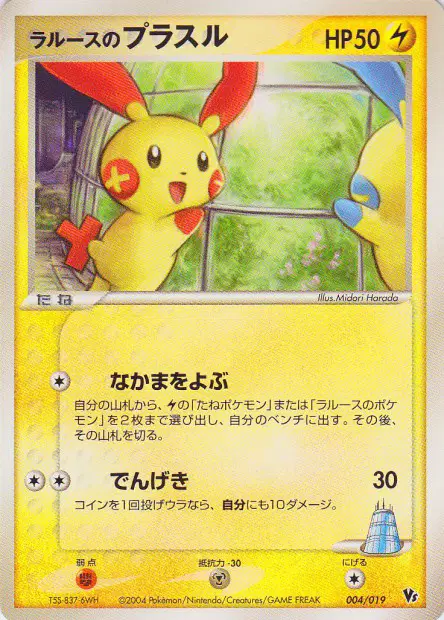
The Diamond & Pearl era (2006-2008) introduced 4th-generation Pokémon, a new frame and LV.X cards. Promos from this era carry the DP code, like this Plusle.
Good to know The set code (DP1, DP2…) is printed in the bottom right corner.
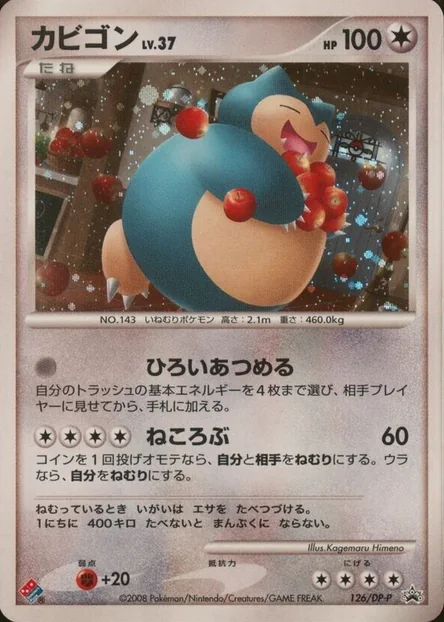
Domino's Pizza
Domino's Pizza Japan gave away Pokémon promos during campaigns, like this 2008 Snorlax 126/DP-P, with the Domino's logo in the bottom left corner. Short runs limited to Japan.
Good to know Like all campaign promos, they are rarer in great condition.
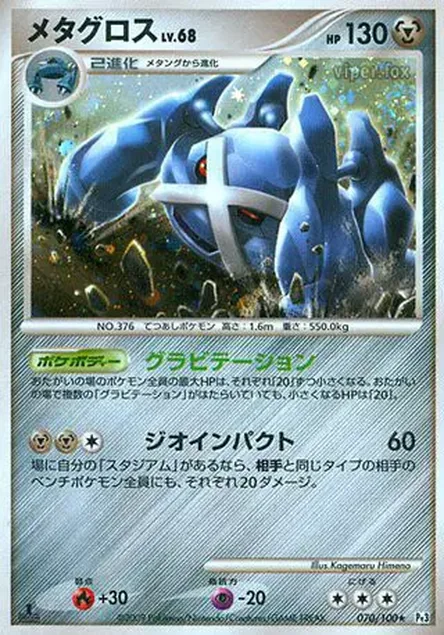
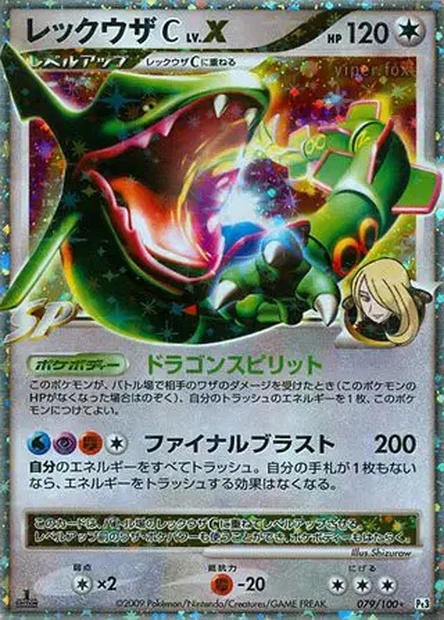
Platinum (Pt)
The Platinum sets (2008-2009) extend the Diamond & Pearl era, with the Pt1 to Pt4 code in the bottom right corner, as on this Metagross (Pt3), and SP Pokémon.
Good to know Holos from this era often have a sparkling pattern across the whole card.
LV.X
In the Diamond & Pearl and Platinum era (2007-2010), a LV.X card is placed on top of the Pokémon of the same name already in play. It keeps its attacks and gains those of the LV.X. Sparkling holo across the whole card.
Good to know “LV.X” replaces the usual level, right next to the name.
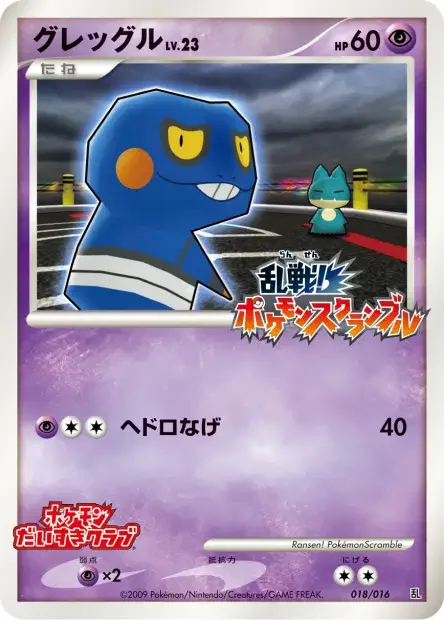
Video game promos
Promos also came with Pokémon video games, like this Croagunk from Pokémon Scramble (2009), distributed through the official Pokémon Daisuki Club: both logos are printed on the card.
Good to know The game logo on the artwork gives them away.
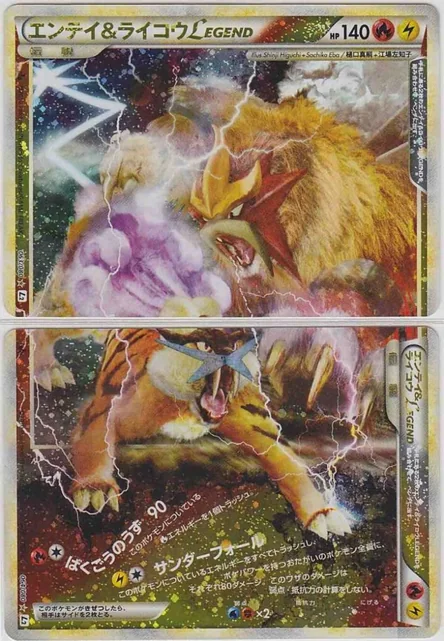
LEGEND
In the HeartGold & SoulSilver era (2009-2010), LEGEND cards come in pairs: the two halves sit side by side to form one large artwork and are played together, like Entei & Raikou.
Good to know They sell as a pair: a single half is worth much less.
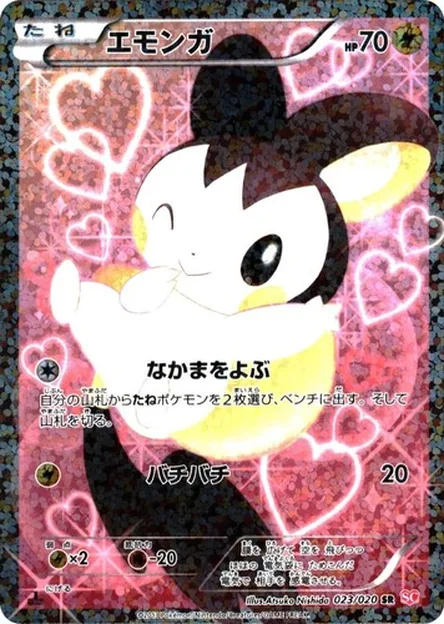
Shiny Collection (SC)
Shiny Collection (2011), from the Black & White era, gathers Pokémon in shiny colours with full-card artwork, like this Emolga. A small set much loved by collectors.
Good to know The SC code in the bottom right corner gives it away.
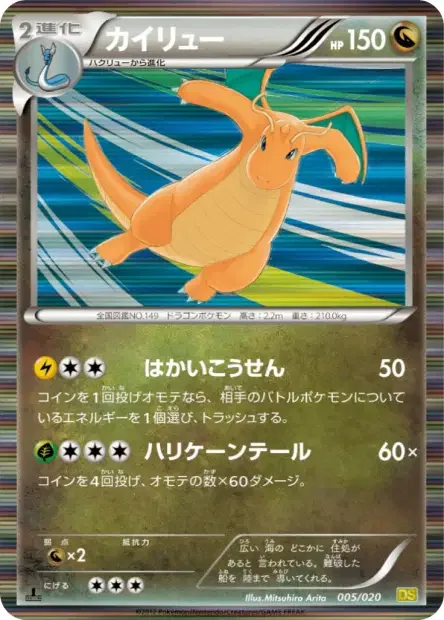
Dragon Selection (DS)
Dragon Selection (2012) is a special Black & White era set entirely devoted to Dragon-type Pokémon, like this Dragonite, with a holo background on every card.
Good to know The DS code in the bottom right corner gives it away.
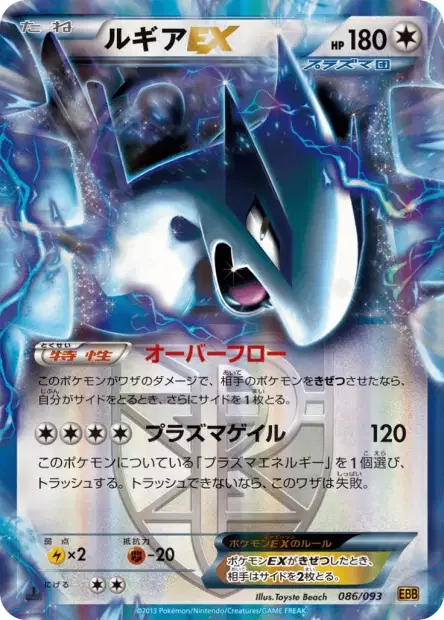
EX Battle Boost (EBB)
EX Battle Boost (2013) is a special set from the end of the Black & White era, built around Pokémon-EX, like this Team Plasma Lugia-EX.
Good to know The EBB code in the bottom right corner gives it away.
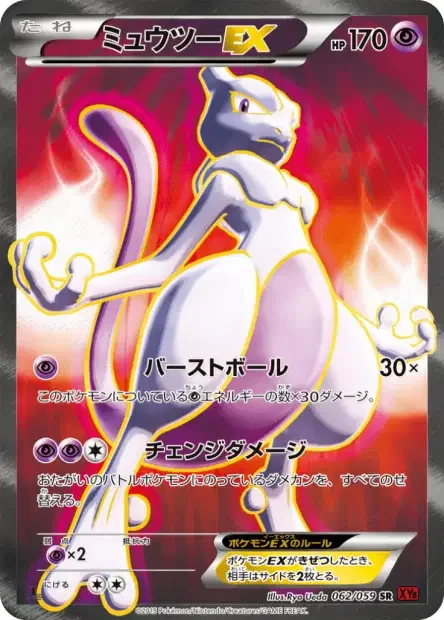
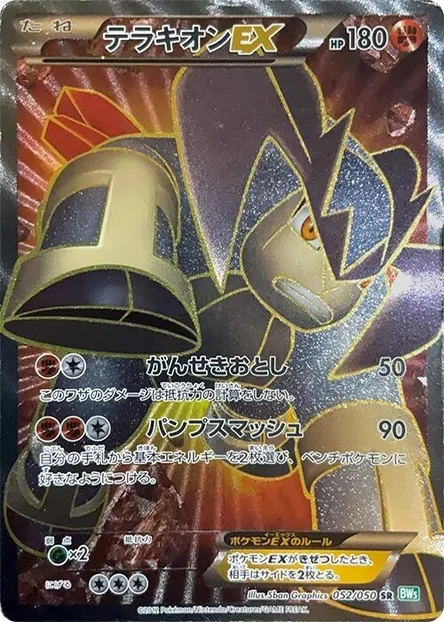
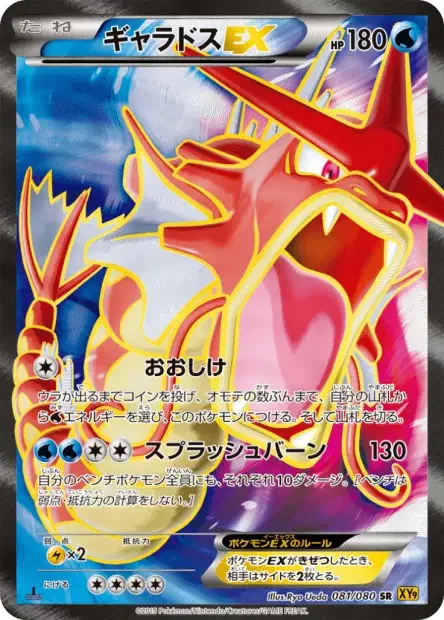
Pokémon-EX
Pokémon-EX (Black & White then XY eras, 2012-2016) give up 2 Prize cards, like the earlier ex. The most sought after are full arts and secret rares (SR), numbered beyond the set total, like this Mewtwo-EX 062/059.
Good to know The letters SR next to the number mark a secret rare.
 5545
Centering
Compare the left and right borders, then top and bottom. 50/50 is perfect; 55/45 means one border is slightly wider. For a PSA 10, you need about 55/45 to 60/40 at most on the front.
Good to know You can see centering with the naked eye: look at the yellow border around the artwork.
Old Back
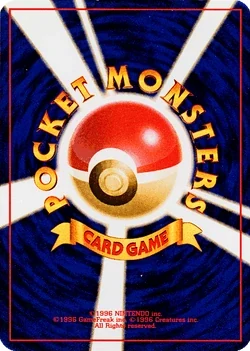
The first Japanese cards (Base, Jungle, Fossil, Team Rocket, Gym, Neo…) have a different back from today’s cards, with “Pocket Monsters Card Game” around the Poké Ball: they are called “Old Back”. It marks original Japanese prints from the 1996-2001 era.
Good to know Old Back or modern back: the first thing to check when dating a Japanese card.
●common◆uncommon★rare∅No RarityRarity symbol
At the bottom of the card: ● common (“co”), ◆ uncommon (“unco”), ★ rare. Some have none: the very first Japanese Base Set print, known as “No Rarity”, or Vending cards, sold in sheets from vending machines. On some 2000s sets, a “1st Edition” mark shows the first print run, as on this Latias, bottom left.
Good to know No Rarity and 1st Edition are often worth much more than later prints.
MTNMEXGDLPPLPOCondition: Mint, Near Mint…
Mint, Near Mint, Excellent, Light Played, Played… These terms are used everywhere, with nuances between platforms and sellers: it is fairly subjective. During shows, I prefer to show you and describe each flaw precisely (corner, scratch, whitening…) rather than stick a label on it.
Good to know Ask for a close-up during the show or by DM: I will show you the card from every angle.
Whitening · Silvering
Whitening means small white chips on the edges and corners, mostly visible on the back. Silvering is the same wear on the front: the edge shows a thin silver line, common on holo cards. Both lower the condition.
Good to know To spot them, look at the edges under low-angle light, front then back.
Sunfade
A card left in the light for a long time (in a display, on a desk) sees its colours fade, often unevenly. Yellow borders and the back are the most affected. Sunfade cannot be repaired.
Good to know Keep your cards away from light, even in a toploader.
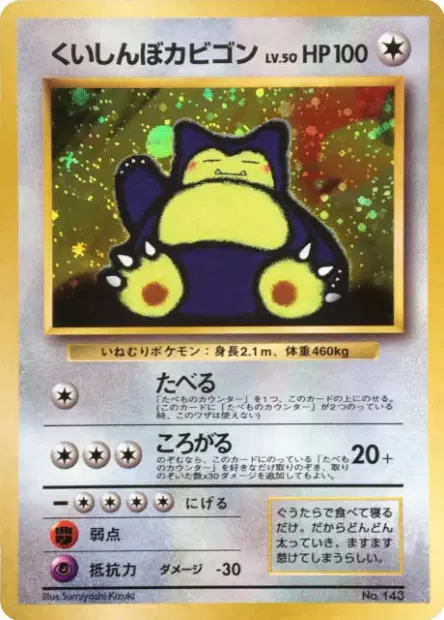
Swirl
On some holo cards from early print runs, the shiny pattern forms a clearly visible swirl, linked to how the first holo sheets were printed. The stronger and better placed it is, the more sought after the card.
Good to know Swirl shows best when you tilt the card under strong light.
GEM MT10MINT9NM-MT8Graded · PSA 10 · Gem Mint
A grading company (PSA, CGC, PCA…) examines the card, grades it out of 10 and seals it in a hard case (a “slab”). At PSA, 10 = Gem Mint: near-perfect centering, flawless corners and edges. On a card over 20 years old that is rare: a PSA 10 is often worth far more than a 9.
Good to know At PSA: 10 Gem Mint, 9 Mint, 8 NM-MT, 7 Near Mint.
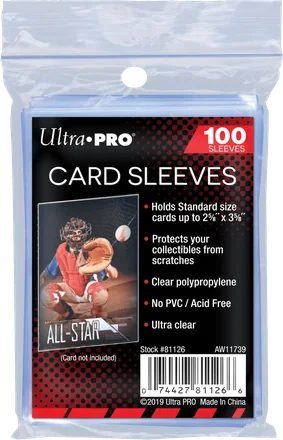
Sleeve
A soft plastic pocket, cut to the size of the card. It prevents scratches, dust and fingerprints. All my cards ship in a sleeve.
Good to know Always handle a vintage card in a sleeve, even just to look at it.
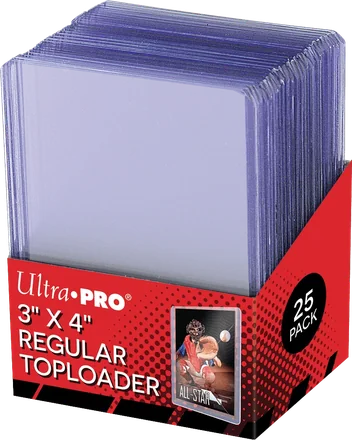
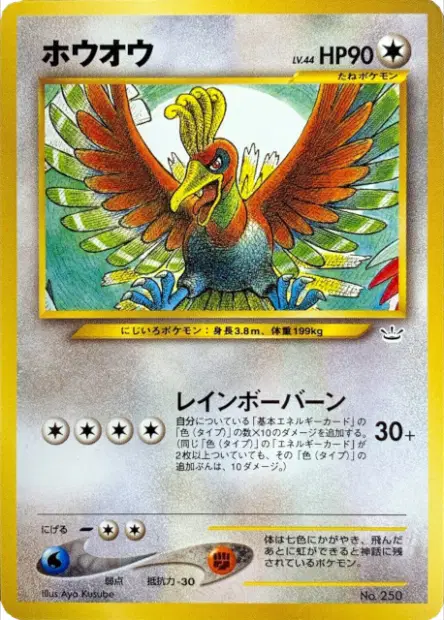
Toploader
A rigid holder you slide the sleeved card into, so it cannot bend in transit. My parcels: sleeve + toploader, firmly packed, in France and abroad.
Good to know My buyers mention it in their Whatnot and Voggt reviews.
PDD
The starting price of a live auction: the card starts at €1 and goes up with the bids. A timer starts; the best offer when it stops wins the card.
Good to know Shows are open to everyone: you can watch and ask questions without buying.
GiveGive
A card given away during a show, drawn at random among the viewers. The rules are announced at the start of the show.
Good to know Turn on Whatnot or Voggt notifications so you don’t miss the start.
Good to know
- Authentic
Bought in Japan from shops and collectors, checked one by one.
- Careful shipping
Sleeve + toploader, firmly packed.
- Worldwide
Costs and delivery times depend on the destination and the platform.
- Looking for a card?
Message me: if it can be found in Japan, I will make you an offer.
Another question? contact@damdamcards.com or DM me on Instagram.